Cold Weather Care: How to Keep Pets Comfortable All Winter
That first blast of cold air can make you worry about your dog or cat. Is their fur coat enough to keep them warm? You may see them shivering slightly outside, or notice they are reluctant to go for their usual walk when the temperature drops. Whether your pet is a thick-coated Samoyed or a short-haired tabby, they are susceptible to the chill. Simple measures like providing warm shelters, ensuring proper hydration, and taking care of their paws are key steps toward ensuring your pet’s winter well-being and peace of mind for you.
At Pinedale Animal Hospital, we understand Wyoming winters can be harsh for pets and their people. Our team provides comprehensive wellness and preventive care to keep pets healthy through every season, along with diagnostics, nutrition counseling, and compassionate guidance tailored to your animal’s needs. Here’s how you can help your pet stay warm, safe, and comfortable during the cold months.
Understanding Winter Risks for Pets
Even hardy mountain pets can feel the effects of cold weather. Prolonged exposure to freezing temperatures can lead to dangerous winter illnesses in pets such as hypothermia and frostbite. Hypothermia occurs when a pet’s body temperature drops below normal, leading to shivering, weakness, confusion, or even collapse. Frostbite damages tissues, often affecting ears, tails, and paw pads.
If your pet is showing signs of cold stress- such as pale skin, lethargy, or shallow breathing- it’s essential to act fast. Move them to a warm environment and contact our emergency care team for immediate guidance.
Regional Winter Climate Challenges
Here in Pinedale, temperatures often dip well below freezing, and the combination of snow, wind, and altitude can quickly sap body heat. Even moderate cold with wind chill can make outdoor activities uncomfortable for pets. Outdoor pets- like barn cats, livestock guardian dogs, or that husky that just won’t come in from the snow- are especially at risk. Following cold weather safety tips like shorter walks, protective gear, and providing shelter from drafts makes a big difference, especially for pets with short coats or medical conditions.
Winter Hazards Indoors and Out
Outdoor Hazards
Many winter risks aren’t just about temperature. Substances like antifreeze and deicers can be toxic or irritating, and icy sidewalks can lead to slips and injuries. Winter hazards for pets include:
- Antifreeze spills containing ethylene glycol, which can be fatal if ingested
- Rock salt or chemical deicers that burn paw pads
- Compact snow or ice that causes orthopedic injuriesor torn nails
Always wipe your pet’s paws after walks and monitor for redness or cracking. Booties or paw balms can offer protection and comfort.
Indoor Hazards
Cold weather often shifts risks indoors. Dry, heated air can lead to flaky skin and static buildup. Pets may also gravitate toward space heaters or fireplaces, increasing burn risks. Seasonal decorations and plants, like lilies and poinsettias, can cause severe illness if ingested.
Every pet reacts differently to cold, so paying attention to their signals is key. Shivering, reluctance to go outside, or seeking constant warmth can all indicate discomfort. Physically, cracked paw pads, dry noses, and itchy or flaky skin are common in winter.
Contact us if you notice persistent itching or redness- especially if your pet seems uncomfortable or is licking excessively. Routine preventive care and environmental awareness keep your home safe while ensuring your pet remains healthy through the winter months.
Medical Care and Emergency Preparedness
Despite our best efforts, sudden emergencies can arise. Familiarize yourself with urgent signs- like unresponsive shivering, confusion, frostbite symptoms, or severe lethargy- and keep warming supplies on hand. Staying proactive with preventative healthcare keeps your pet ready for winter challenges. Consider taking a pet first aid class so you know what to do to stabilize your pet on the way to the vet. Keep the number for Pet Poison Control on hand in case of ingestion of toxic plants, antifreeze, or deicers.
If your pet experiences distress, frostbite indicators such as pale or bluish skin, swelling, or blisters, or ingests a toxic substance, contact our emergency care team immediately for advice and next steps. In severe cases, surgery is needed to repair severely frostbitten ears or toes- and our team is here to help.
Preventive Measures and Home Care
Clothing and Paw Protection
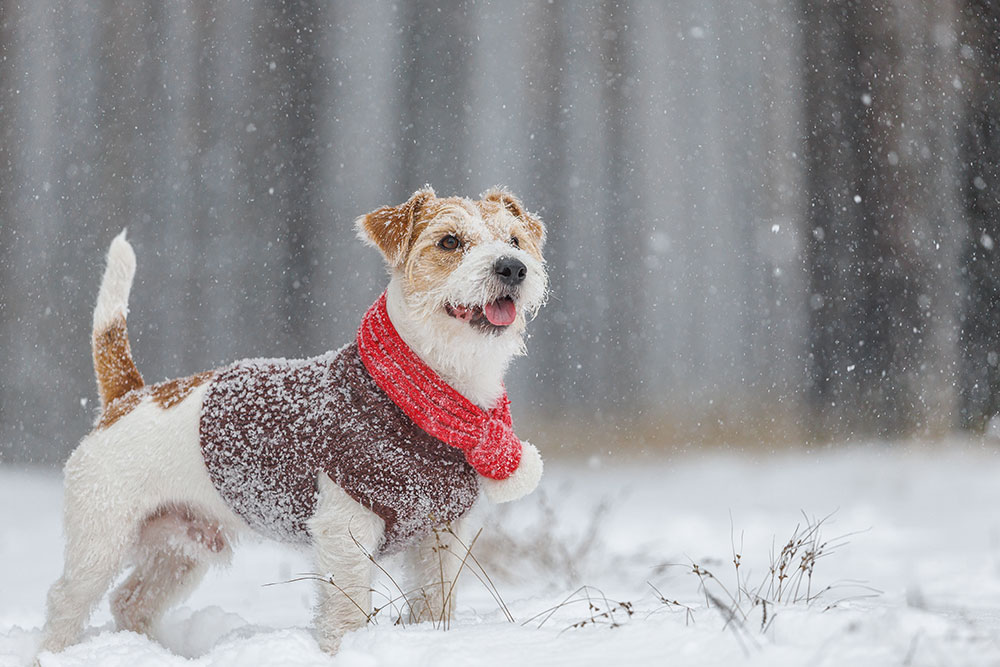
Some pets handle winter well on their own, while others benefit from extra layers. Small, short-haired, or senior pets appreciate insulated sweaters or jackets during walks. Some pets may benefit from ear protection- those with thin, upright ears are especially at risk for frostbite. Follow winter coat advice to ensure proper fit and comfort.
Booties are useful for icy or salted sidewalks, while paw balms or waxes protect against cracking. Booties and paw balms are also useful for preventing snow and ice from creating snowballs between the toes for those dogs with long toe hair that love playing out in the winter weather. After walks, rinse and dry your pet’s paws to remove irritants like salt and deicers.
Supporting Outdoor and Indoor Pets
Outdoor pets and barn cats face extra challenges when temperatures plummet. Sheltered spaces with insulation, raised floors, and dry bedding make a world of difference. Heat lamps and heated beds are great additions- just ensure cords are secured, aren’t at risk of getting wet, and that heat lamps are far enough away to prevent overheating or causing fires (especially around straw). If you’re supporting community cats or a larger population of cats, provide multiple warm areas to prevent fights over resources.
Nutrition and Hydration
Cold weather increases energy needs, especially for active or outdoor pets. Make sure water bowls are kept thawed and food intake is increased slightly to meet energy demands.
Ensure your dog or cat receives a diet that supports warmth and health through winter. Supplements like omega fatty acids support healthy skin and coats. Heated water bowls are a must to prevent dehydration for those pets who rely on an outdoor water bowl. If you’re unsure about diet adjustments, our wellness and prevention services include nutritional counseling to help tailor your pet’s plan.
Cold Safety for Outdoor Adventurers
While many dogs thrive in Wyoming’s snowy landscape and eagerly join their owners for snowshoeing, skijoring, dogsledding, cross-country skiing, or winter hikes, even cold-weather breeds need protection when temperatures plummet. Start with short expeditions to be sure your pet can handle it before building up to bigger adventures. Regularly check your dog’s paw pads for cracks or ice buildup between the toes, and bring protective booties and coats even for thick-coated breeds.
Ensure you have thawed water for them to drink- don’t rely on them eating snow to stay hydrated. Watch for signs of hypothermia during your outing- shivering, lethargy, or lifting paws repeatedly off the snow- and cut the adventure short if your dog seems uncomfortable. All pets should have their activity level and duration adjusted based on wind chill and current conditions. Even the most enthusiastic winter adventurers can suffer frostbite on ear tips, tails, and paw pads, so monitoring your companion closely ensures those magical outdoor experiences remain safe and enjoyable for everyone.

Helping Senior Pets with Arthritis in Cold Weather
Older pets often struggle more when temperatures drop- especially for those with arthritis. The cold can stiffen joints, making movement painful and increasing the risk of slips and falls. Warm, padded bedding and non-slip rugs around the home can ease discomfort. Gentle, consistent activity- like short, slow walks- maintains mobility without overexertion.
Laser therapy, joint supplements, and pain management strategies can also help older pets stay active and comfortable. Eastern medicine options, like acupuncture, can provide even more pain relief in the winter. Scheduling seasonal diagnostic testing ensures that health changes are caught early and managed effectively.
Our veterinarians create personalized treatment plans including both traditional pain medications and alternative therapies that keep your senior companions thriving even through Wyoming’s coldest months. Check out our annual health packages for an easy way to make sure your pet is up to date on their preventive care and ready for the chilliest days.
Winter Pet Care at Pinedale Animal Hospital
Wyoming winters bring both beauty and challenge. By watching for signs of cold stress, addressing hazards, and staying proactive with wellness visits, you can help your pets enjoy the season in comfort and safety. From warm beds to balanced nutrition and protective gear, small changes go a long way.
At Pinedale Animal Hospital, we combine expert medical care with genuine hometown compassion. Whether your pet needs a seasonal exam, arthritis support, or advice for outdoor living, our team is here to help. Schedule your next wellness appointment or contact us today to prepare your pets for a cozy, healthy winter ahead.