The Diagnostic Journey: How We Find the Cause of Chronic Vomiting
When a dog or cat keeps getting sick, the natural instinct is to search for a quick fix. Maybe switching brands will help. Maybe it just needs to pass. But as days turn into weeks and the vomiting continues, that hope starts to feel misplaced. The real challenge isn’t finding a temporary solution but understanding why this keeps happening in the first place, and that requires a different kind of attention.
In Pinedale, our team knows that chronic vomiting rarely resolves without getting to the root cause. Through careful evaluation using our diagnostic services, we help families understand whether the issue traces back to diet, organ function, or something happening in the GI tract itself. From there, the path might lead through structured food trials, advanced imaging, or biopsy procedures that give us definitive answers. We also bring Eastern Medicine approaches like acupuncture and herbal therapy into treatment plans when they fit. Contact us to start working through what’s happening and find the care your companion needs.
What Makes Vomiting a Chronic Problem?
Not every episode is serious. Cats may have hairballs, and dogs sometimes eat something that upsets their stomach. Those usually resolve quickly.
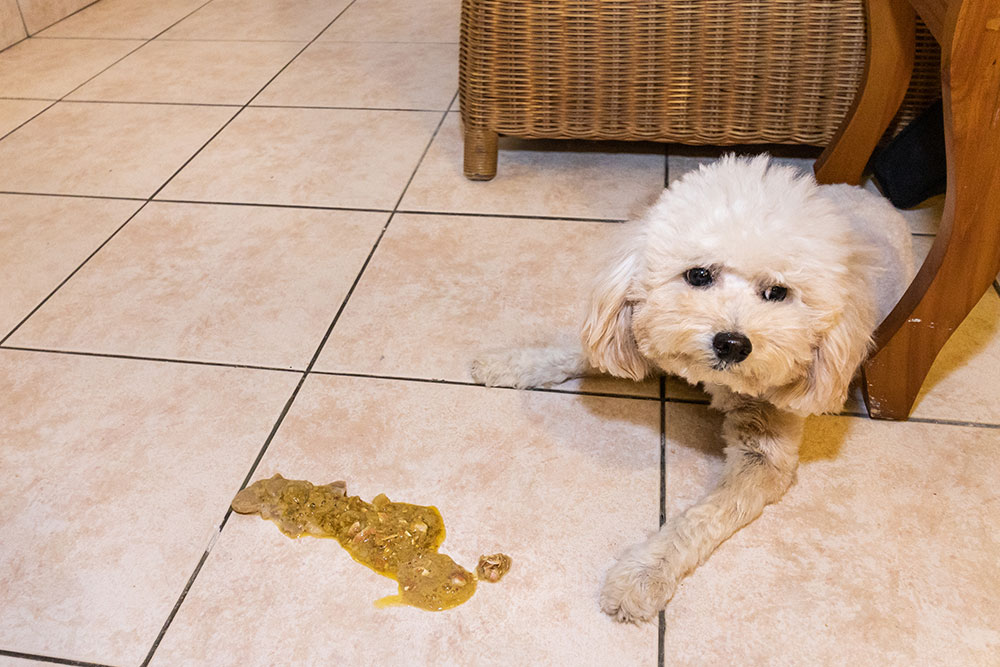
Chronic vomiting means your pet vomits multiple times per week over weeks or months. That pattern signals a deeper issue that needs attention, not just a new food or home remedy.
Watch for signs that deserve prompt evaluation:
- Weight loss, even with normal or increased appetite
- Low energy or reluctance to play
- Drinking much more or much less than usual
- Diarrhea that comes and goes with vomiting
- Blood in vomit (bright red or coffee-ground look)
- Not wanting to eat at all
Older pets with these changes may have senior pet health problems. Our wellness and prevention care helps set baselines so we can spot when something shifts.
Why Is My Pet Vomiting? Common Causes We Investigate
Food-related issues
Pets can develop food sensitivities over time, even to proteins they’ve eaten for years. The immune system can start reacting to familiar ingredients, leading to nausea and vomiting. Consistent access to table scraps, garbage, or outdoor finds can also cause repeat episodes.
If diet is involved, choosing the right food and testing it systematically matter more than frequent, random switches.
Organ problems that upset the stomach
Vomiting often reflects issues beyond the stomach. We commonly screen for:
- Chronic kidney disease develops when the kidneys lose their ability to filter waste, causing toxins to build up in the bloodstream and trigger nausea.
- Liver disease interferes with digestion and toxin processing, often causing vomiting, jaundice, and appetite loss.
- Hyperthyroidism speeds up metabolism in cats, leading to increased appetite alongside vomiting, weight loss, and restlessness.
- Pancreatitis occurs when the pancreas becomes inflamed, causing severe nausea, vomiting, abdominal pain, and reluctance to eat.
These conditions can cause nausea, appetite changes, and weight loss. Specific blood tests and imaging help us pinpoint the problem through our in-house tools and partners.
GI diseases that need closer look
Some problems start in the gut itself:
- Inflammatory bowel disease develops when immune cells infiltrate the intestinal walls, causing chronic vomiting, diarrhea, and gradual weight loss that waxes and wanes over time.
- Obstructions from foreign objects that don’t cause a complete blockage allow some food to pass, resulting in intermittent vomiting that can be difficult to diagnose without imaging.
- Megaesophagus occurs when the esophagus loses muscle tone and can’t push food into the stomach, causing regurgitation shortly after eating.
- Lymphoma and other cancers can develop anywhere along the GI tract, causing vomiting, weight loss, and changes in appetite or stool as tumors disrupt normal function.
- Bilious vomiting syndrome happens when bile irritates an empty stomach, typically causing yellow foam vomiting in the early morning or after long gaps between meals.
Toxins and foreign materials
Toxin exposure or swallowing non-food items can trigger ongoing vomiting or organ damage. Cats who like to periodically snack on houseplants or dogs who raid the trash are common offenders. Review the toxic plants list and keep risky items out of reach. If you suspect a toxin, contact poison control and our emergency services right away.
How We Build a Complete Picture
Step 1: History and exam
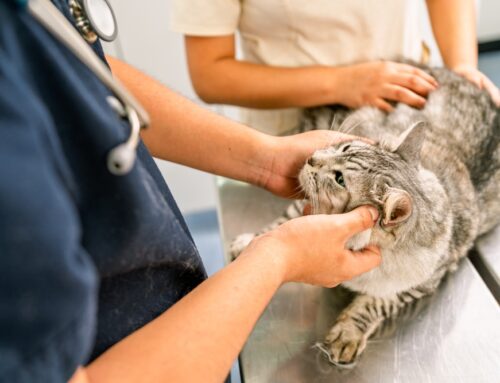
We start with a detailed history: diet (including treats and supplements), access to other foods, medications, and when vomiting happens. A physical exam checks hydration, abdominal comfort, weight changes, and coat quality.
Step 2: Core tests
- Bloodwork to assess kidneys, liver, electrolytes, and inflammation
- Urinalysis to support kidney and metabolic checks
- Fecal testing to look for parasites
- Imaging: X-rays for overall organ position and foreign objects; ultrasound for organ detail, intestinal wall changes, and masses
We provide these diagnostics in-house for faster answers and a calmer experience.
Food Trials: A Clear Test for Diet Causes
What is an elimination diet?
A diet trial is a strict test, not a casual switch. Your pet eats only the prescribed food for 3 to 4 weeks when we’re testing GI symptoms. We use either a novel protein your pet hasn’t eaten before or a hydrolyzed protein diet where proteins are broken into tiny pieces that are less likely to trigger a reaction.
What to avoid during the trial:
- No treats, table scraps, flavored meds, chews, or other pets’ food
- No exceptions, as even small amounts can reset the clock
We know it’s tough, but this is the most reliable way to confirm or rule out food as a cause.
Choosing the right test diet
We select diets based on your pet’s full food history. Novel proteins (like duck, venison, rabbit) or hydrolyzed options are typical choices. In some cases, a home-cooked plan through a veterinary nutritionist works best. Our wellness and prevention services include nutrition guidance to help you succeed.
Skip over-the-counter “hypoallergenic” or limited-ingredient foods for testing. They often contain trace proteins not listed on the label, which can derail results.
Understanding the results
- If vomiting improves during the trial and returns with the old food, diet is the trigger. We’ll help you choose a long-term plan that avoids problem ingredients.
- If vomiting continues despite perfect compliance, food is unlikely the main cause, and we focus on other diagnoses.
When We Need to Look Deeper
Endoscopy, exploratory surgery, and biopsies
If initial tests and diet trials don’t give answers, endoscopy can help. This is a camera-guided look at the esophagus, stomach, and small intestine while your pet is under anesthesia. It helps vets see inflammation, ulcers, or masses and collect small tissue samples.
Biopsies are examined by pathologists to diagnose conditions like inflammatory bowel disease and to identify cancers or infections. Most pets go home the same day.
If we need deeper tissue samples or to evaluate areas endoscopy can’t reach, we may recommend surgical biopsies or exploratory surgery, offered through our surgery services.
Treating the Cause, Not Just the Symptoms
Long-term management for food-related vomiting
Once we identify problem ingredients, consistent avoidance is key. That may mean staying on the prescription diet or using carefully selected limited-ingredient foods. We’ll show you how to read labels, choose safe treats, and keep the plan realistic at home.
Care for IBD and similar GI inflammation
Treatment often combines:
- Anti-inflammatory or immune-calming medications
- Diet adjustments and sometimes probiotics
- Close follow-up to fine-tune the plan
Every pet responds differently. Our pet annual health packages include unlimited office exams to support ongoing care. When helpful, we integrate Eastern Medicine like acupuncture for nausea and motility support, and herbal options for digestive balance.
Addressing organ-related causes
If vomiting comes from kidney, liver, thyroid, or pancreatic disease, we treat the underlying problem. That might include diet changes, medications, and supportive care. As the condition improves, vomiting usually eases. Regular monitoring during wellness and prevention visits helps us stay ahead of changes.
Supporting Your Pet Through the Process
Keep a simple symptom diary:
- When vomiting happens and what it looks like
- Appetite, water intake, energy, and bathroom habits
- Photos can help us see patterns
Encourage drinking and follow medication schedules closely. Contact us if you see sudden worsening, blood in vomit, severe lethargy, or signs of pain. For urgent after-hours needs, use our emergency services.
Staying in touch with our team helps us adjust quickly. Small details you notice at home can provide big clues.
FAQs
How long should I wait before seeing the vet for repeated vomiting?
If your pet vomits more than once or twice in a day, shows lethargy, blood, pain, or stops eating, schedule a visit. Ongoing vomiting over a week or more is considered chronic and needs evaluation through our diagnostic services.
Can I try a new food first?
You can, but random switches muddy the picture. A structured diet trial gives clear answers. We’ll help you choose the right approach through our wellness and prevention care.
How do I know if it’s an emergency?
Bloated abdomen, nonstop retching, collapse, or suspected toxin/foreign object ingestion needs immediate help. Call us for guidance or use our emergency services.
Will my pet need an endoscopy or surgery?
Not always. Many cases resolve with diet trials and medication, or the cause can be found using blood work. We recommend endoscopy or surgical biopsies only when results will meaningfully guide treatment decisions.
Finding Answers Brings Relief and Hope
Chronic vomiting is stressful, but a step-by-step plan brings clarity. From careful history and core tests to diet trials and, when needed, advanced diagnostics, we work to identify the cause and tailor treatment for lasting relief.
We’re your partner through each step, including long-term diet management, medication adjustments, and integrated options like Eastern Medicine. Every pet deserves to feel comfortable and enjoy mealtimes again.
Contact us to schedule a comprehensive evaluation or ask questions about your pet’s symptoms. We’re here to help, guide, and support you so your companion can feel better fast. Contact us to get started.